When water has always been there, it’s easy to assume it always will be. We turn on the tap and water flows. At some point, we’ve all left the sink running while brushing our teeth, filled a bathtub without a second thought or let the hose run longer than it needed to.
This year's World Water Day (22 March) focuses on water and gender, highlighting that access to clean water is still far from equal across the world. According to World Health Organisation, 1.8 billion people still do not have drinking water on-premises and women are primarily responsible for water collection in two out of three households.
In a recent United Nations (UN) report, it was declared that the world is now in an era of “water bankruptcy”. Fresh water is now being consumed so rapidly that rivers, lakes and underground water sources are drained faster than they can naturally recover. Climate change, drought and overuse are only making this problem worse.
The UN has warned that without significant changes to how we manage water, large parts of the world could face severe shortages within a generation.
It's a stark reminder that a resource so many of us take for granted is one that is increasingly under threat. Even if your city isn’t facing an immediate water shortage, the message is clear: water is a limited resource and it’s up to all of us to help protect it.
Being more careful with water at home is a good start. While it won't fix the global crisis on its own, the habits we build can shift the way we think about and value water – making us more conscious, more respectful and less wasteful of a resource we simply cannot live without. Below are some ways Australians can save water at home and in their communities:
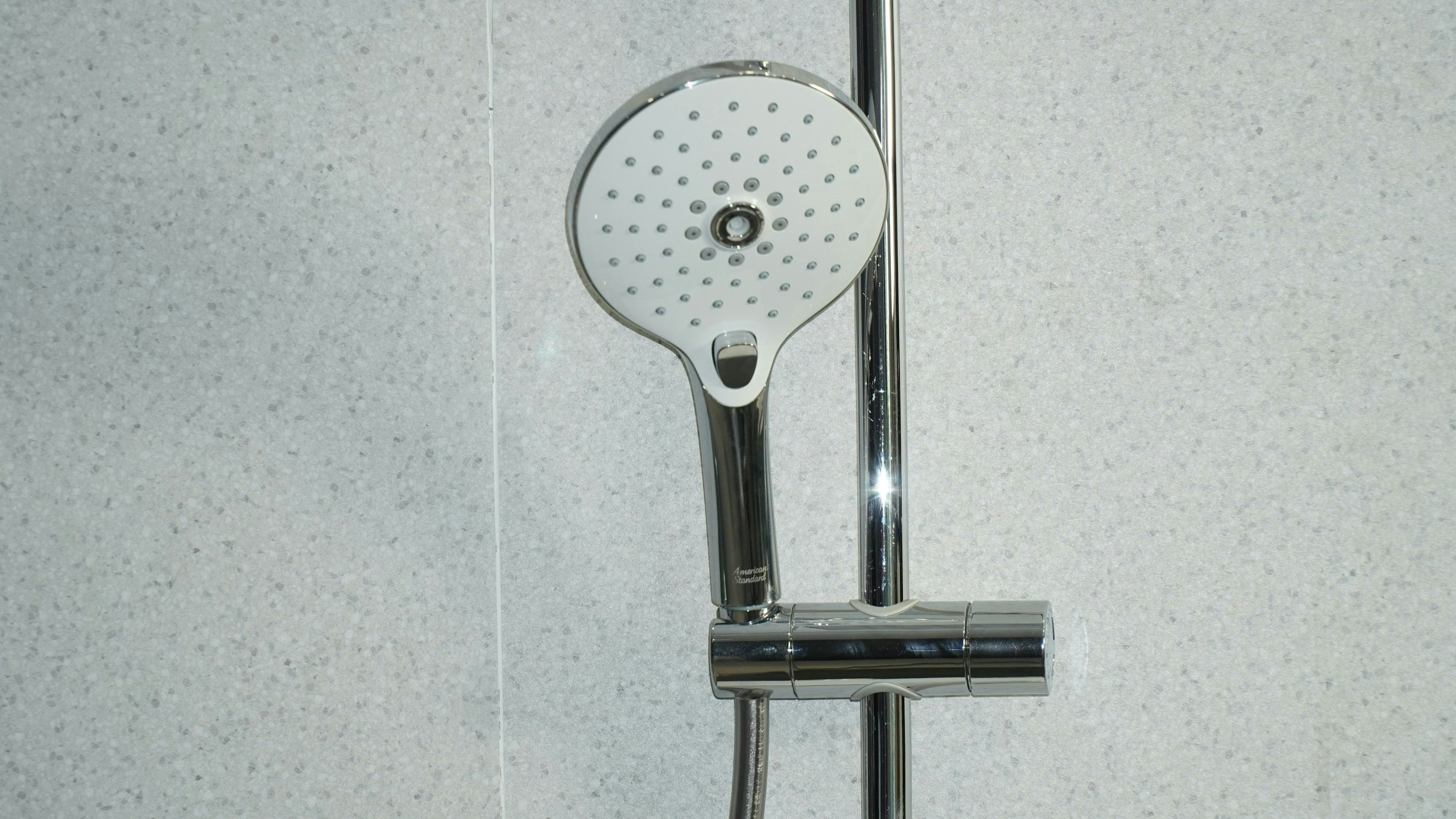
Stainless steel shower head
At home
Keep showers short – they account for 26 per cent of household water consumption, so even small changes add up.
Switch to a low-flow showerhead and save over 5,000 litres of water a year.
Fix leaks as soon as you spot them! A running tap dripping once per second can waste up to 20,000 litres of water a year.
Run your washing machine and dishwasher only when full and use shorter or cooler cycles where possible. Laundry alone accounts for 15 – 20 per cent of household water use, so this habit can make a real difference.
Choose water-efficient appliances like WELS-rated products when replacing older models.
In your garden
Install rainwater tanks to store water for gardens, toilets or even laundry to reduce reliance on mains supply.
Look into a greywater systems reuse water from sinks or showers for plants and even a basic setup can save thousands of litres annually.
Plant native, drought-tolerant plants in your garden to reduce water demand while supporting local wildlife.
Use mulch to keep soil moist and reduce evaporation (you can even compost your garden waste into mulch).
Wash your car on the lawn so the runoff waters the grass and dust your car in between cleans to reduce car wash frequency.
In your community
Support policies and initiatives that encourage sustainable water use like wetland restoration or water-saving farming methods. Writing to your local council or MP is a powerful way to make your voice heard.
If you live near a creek, river or wetland, consider joining a local Landcare or waterway care group – many councils and conservation groups run regular clean-ups and are always looking for volunteers. You can also get involved in National Tree Day (26 July 2026) by hosting or volunteering at a local planting event and helping restore waterways in your area.

Meet the Sydney councils with big plans for National Tree Day this July